
Specialty Nutrients
Sylvarise Speciality Nutrients is a curated range of targeted nutritional solutions designed to address specific crop nutrition requirements.
Specialty Nutrients
General-purpose fertilisers provide broad-spectrum nutrition — but every crop, every growth stage, and every soil type has unique nutritional requirements. Deficiencies in secondary and micronutrients often go undetected until visible symptoms appear — by which time yield loss has already occurred. Speciality Nutrients from Sylvarise are formulated to proactively address these gaps with targeted, high-bioavailability formulations.

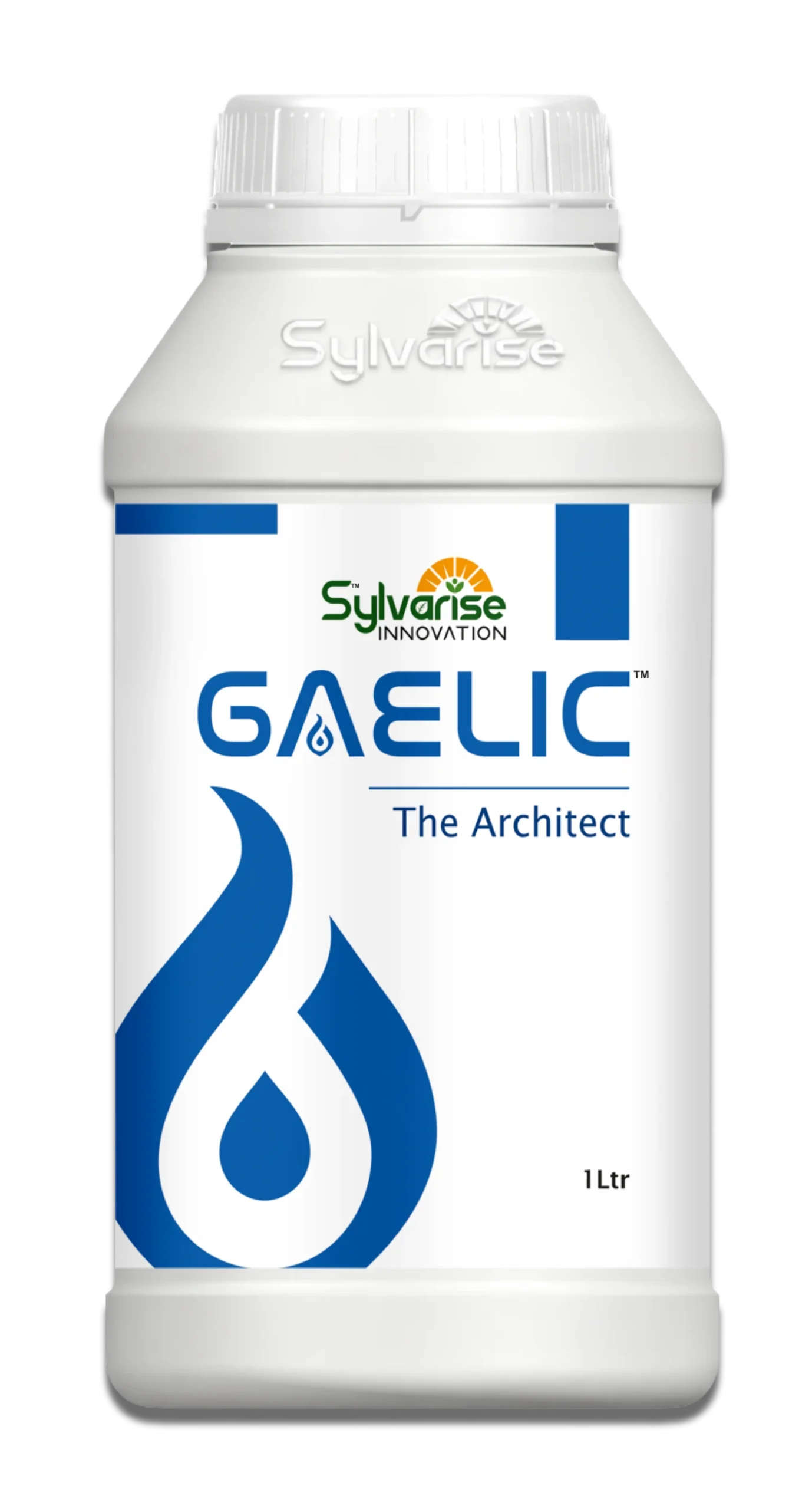
Gaelic
The Architect of the Plant – Cell Binding Element
It is primarily used as a soil conditioner to neutralize highly acidic soils and to provide essential calcium for plant growth.
Benefits for Plants and Soil
Soil pH Adjustment
It is highly effective for reducing acidity (increasing pH) in very acidic soils, creating a more suitable environment for crop growth.
Nutrient Availability
By elevating the pH, it improves the availability of key nutrients like phosphorus and reduces the toxicity of elements like aluminum.
Calcium Source
Provides calcium necessary for cell wall structure, reducing deficiencies that cause diseases like blossom end rot in tomatoes, bitter pit in apples, and tipburn in lettuce.
Soil Structure Improvement
It helps in the flocculation of clay soils, improving aeration and water penetration.
Dose
2.5 ML per Liter
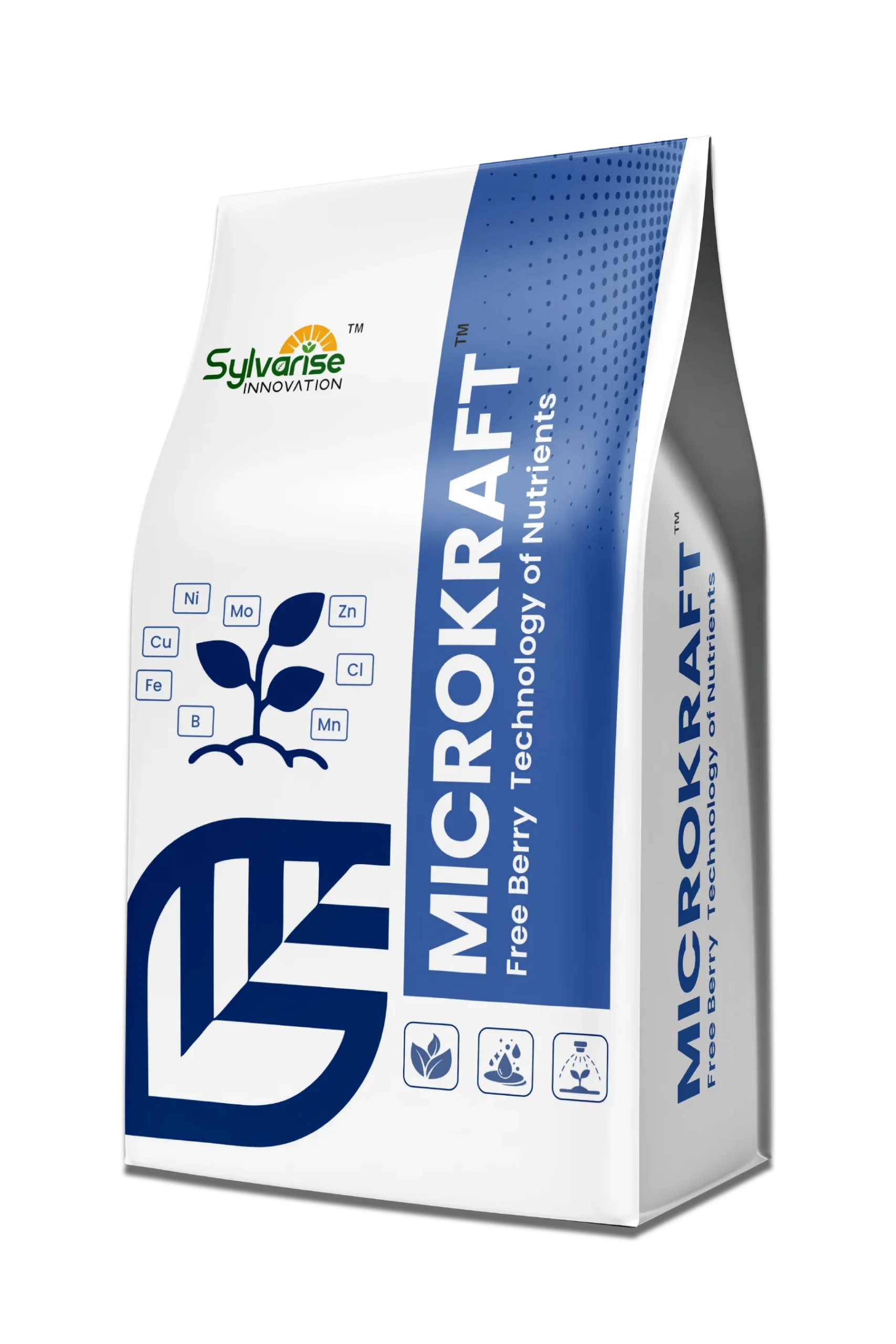
MikroKraft
Free Berry Technology
Micronutrient fertilizers are essential plant nutrients required in small quantities (zinc, iron, boron, manganese, copper, molybdenum, chloride, nickel) to support critical physiological processes like photosynthesis, enzyme activity, and fruit development. They prevent deficiencies that hinder growth and reduce yield, typically applied via soil or foliar spray.
Key Micronutrients and Their Roles
Zinc (Zn)
Necessary for high yields, enzyme activity, and growth.
Iron (Fe)
Essential for chlorophyll formation and energy transfer.
Boron (B)
Supports cell membrane integrity, pollen germination, and fruit set.
Manganese (Mn)
Supports photosynthesis and nitrogen metabolism.
Copper (Cu)
Strengthens cell walls and activates enzymes.
Molybdenum (Mo)
Required for nitrogen metabolism.
Application Methods
Soil Application
Directly to soil to correct deficiency.
Foliar Spray
Direct application to leaves, effective for nutrients like boron, but must be used carefully to avoid over-application.
Fertigation
Applied through irrigation systems.
Benefits
Improved Growth/Yield
Corrects deficiencies that limit yield even when macronutrients are present.
Enhanced Quality
Improves crop quality and shelf life.
Targeted Nutrition
Custom blends allow for site-specific management based on soil conditions.
Dose
1 gm per Liter and Drip – 1 Kg per Acre
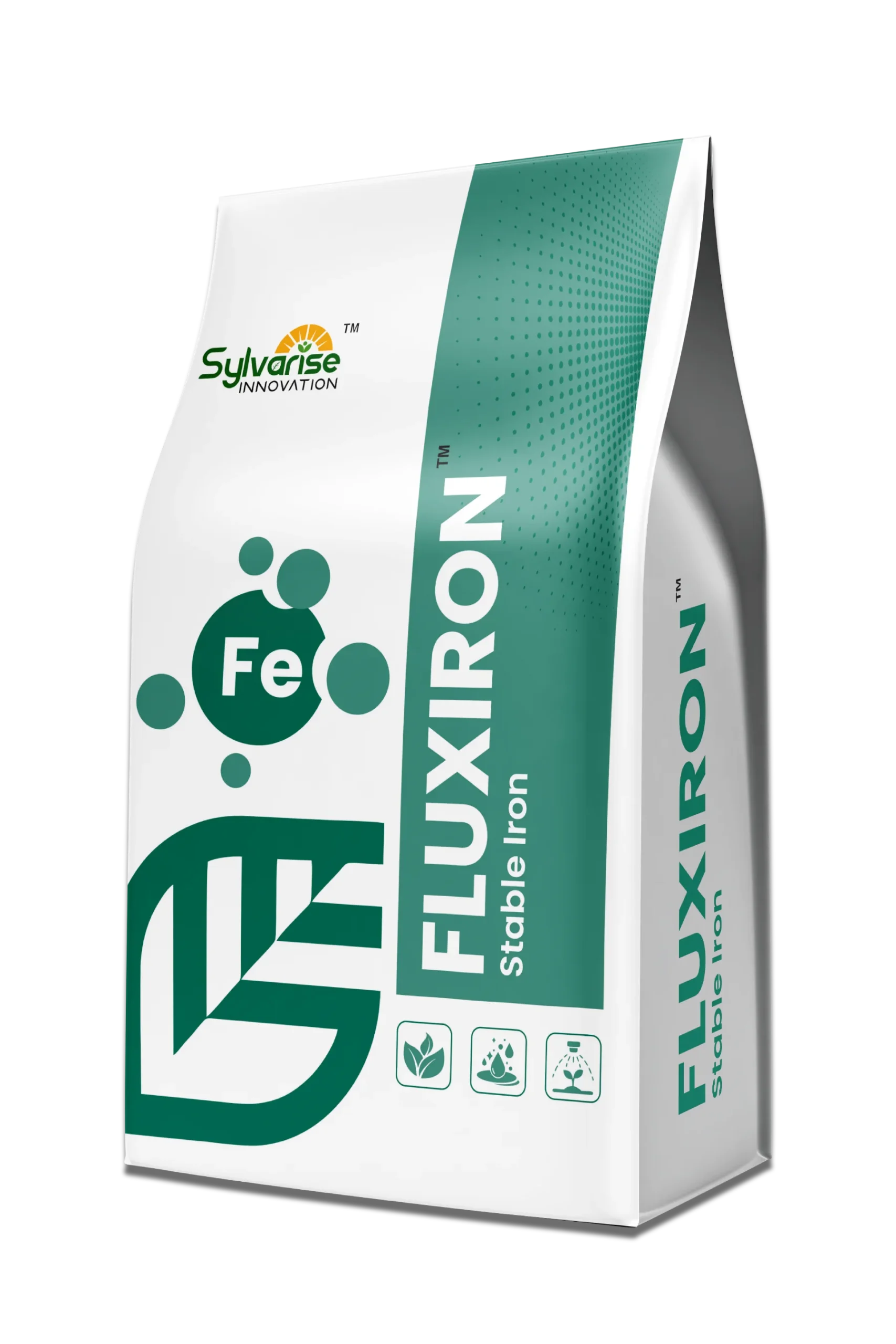
Flux Iron
Charged Iron & Stable ferrous EDDHA
Charged Iron & Stable ferrous EDDHA (Ethylenediamine-N,N'-bis(2-hydroxy-phenylacetic acid)) is a high-efficiency chelated iron fertilizer specifically designed for use in alkaline and calcareous soils. Unlike other chelates like EDTA, which become unstable at a pH above 6.0, EDDHA remains highly stable and available to plants in a wide pH range, typically from 3.0 to 10.0.
Key Benefits and Use Cases
Alkaline Soil Performance
It is the preferred choice for soils with a pH above 7.0, where iron typically precipitates and becomes unavailable to plants.
Chlorosis Correction
It rapidly treats iron deficiency (chlorosis), characterized by yellowing between green leaf veins, by promoting chlorophyll synthesis and photosynthesis.
High Stability Isomers
The "ortho-ortho" isomer in EDDHA is the most stable form, providing the longest-lasting iron availability in the root zone.
Application Methods
It is highly water-soluble and suitable for soil drenching, drip irrigation (fertigation), and hydroponics. Foliar application is generally less common for EDDHA as it is more efficiently absorbed by the roots.
Dose
500 GM per acre Drip
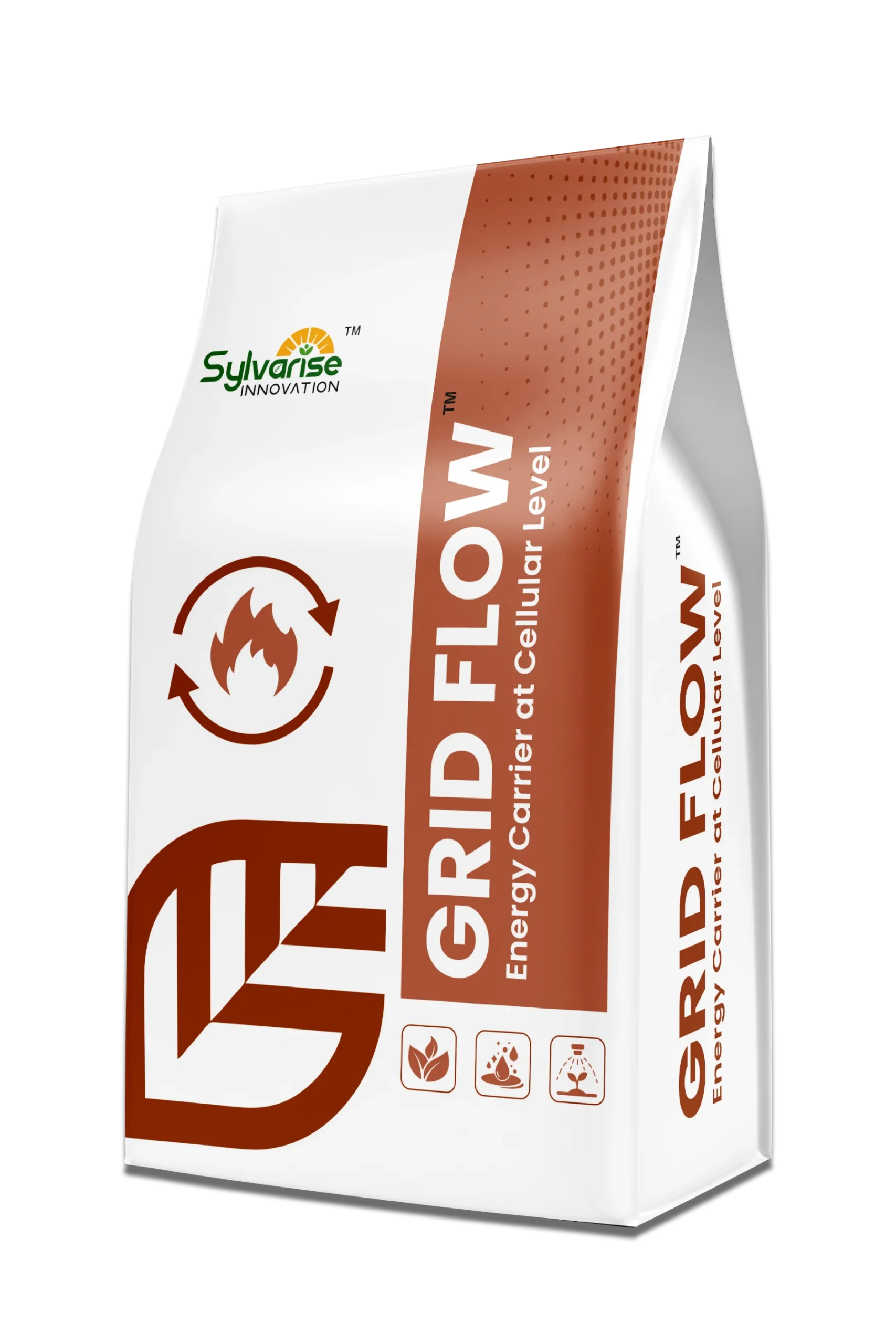
Grid Flow
Smart Flow in the Plant – New Micro granulised technology
A combination of phosphorus (P), zinc (Zn), and magnesium (Mg) is highly beneficial for plant development, particularly during early growth, flowering, and fruit set, as they work together to enhance energy transfer, nutrient uptake, and photosynthesis. While phosphorus drives root development and energy, magnesium supports chlorophyll synthesis, and zinc acts as a crucial cofactor for enzymatic reactions.
Key Considerations and Benefits
Synergistic Relationship
Applying these together, especially in a balanced form, improves yield and quality.
Key Growth Stages
This combination is particularly effective for enhancing flowering and fruit set, making it ideal for fruit crops and vegetable plants.
Optimal Balance
It is crucial to manage the P-Zn interaction, as high phosphorus levels can cause zinc deficiency. Ensuring sufficient zinc levels alongside phosphorus keeps the plant healthy.
Dose
2.5 GM per Liter
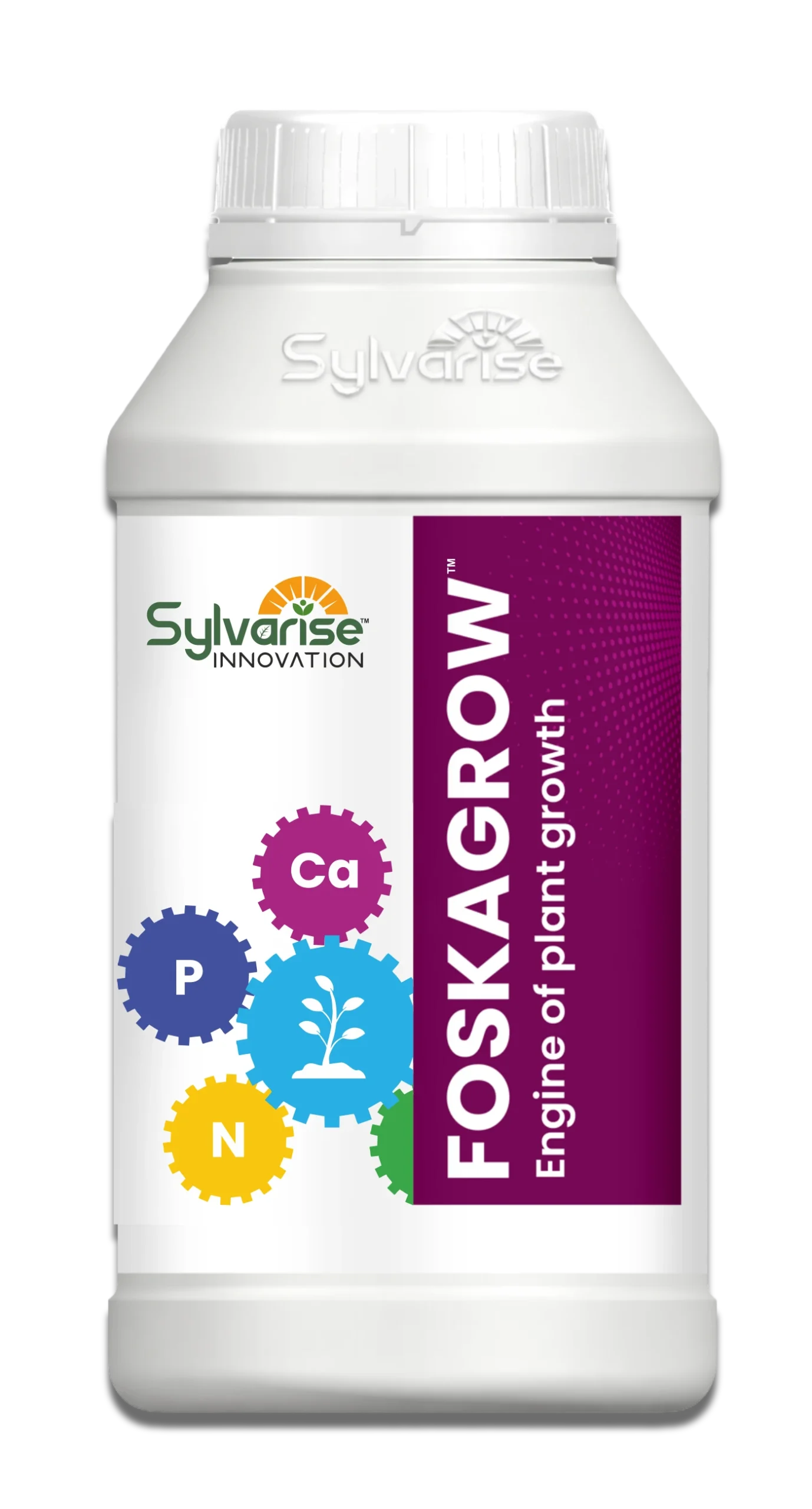
FoskaGrow
Energy transfer in the plant
A combination of Phosphorus (P), Calcium (Ca), and Nitrogen (N) is crucial for vigorous root development, strong cell wall structure, and healthy, sustained vegetative growth, often aimed at flowering and fruiting plants. These nutrients are commonly supplied together via organic sources or specialized blended synthetic fertilizers A concentrated nutrient mix specifically blending nitrogen and phosphorus, supplemented with calcium, typically for early-season growth.
Key Benefits
Root Development
Stimulates strong roots, making it ideal for bulbs, roses, and transplanting.
Flowering & Fruiting
Enhances bloom quality and fruit yield.
Soil Health
Increases microbial activity and corrects soil acidity
Early Growth
Ideal start for early plant establishment, increasing root elongation.
Healthy Leaves & Stems
Combines nitrogen's foliage-building properties with phosphorus's energy transfer. Promotes quick, green vegetative growth, leaf development, and chlorophyll production. Essential for root establishment, energy transfer (ATP), and flower/seed formation. Strengthens cell walls, improves disease resistance, and helps plants cope with stress
Dose
2.5 ML per Liter
Reach Us
Sylvarise Speciality Nutrients work best as part of a complete crop nutrition program. Contact our agronomy team for a crop-specific nutrition plan tailored to your soil and crop variety.